


.jpg)
-(1).jpg)
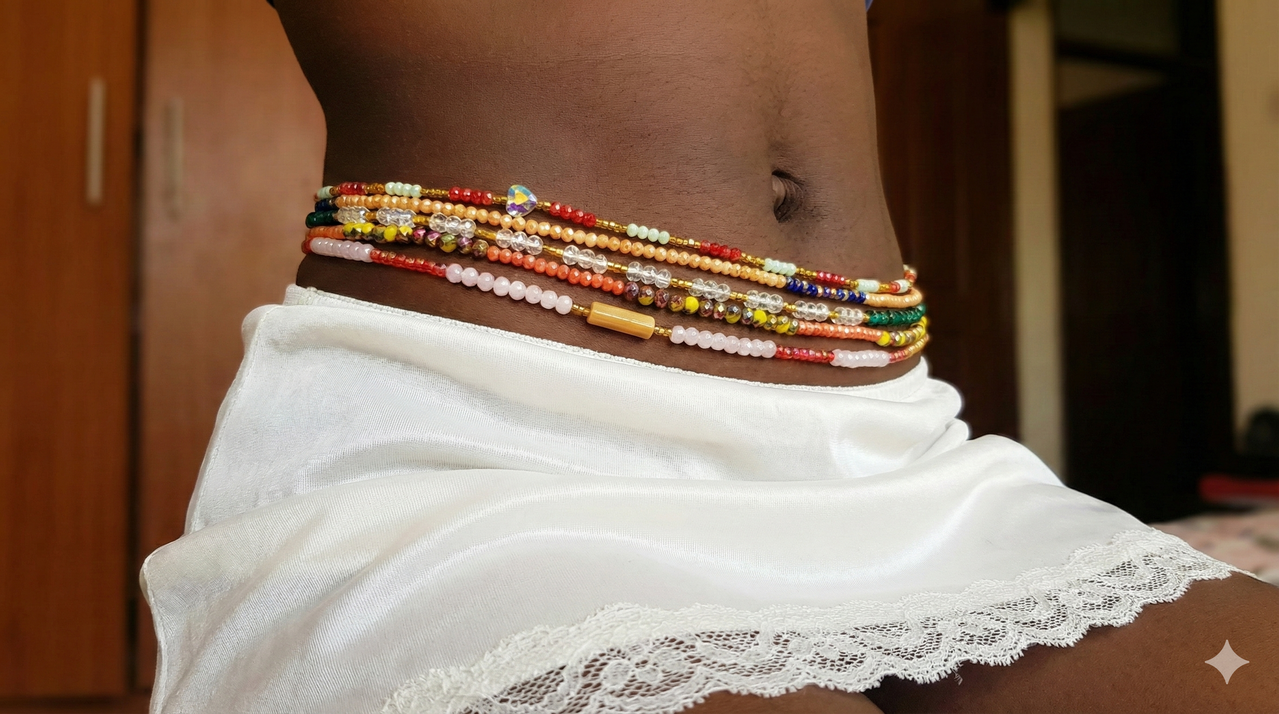

Waist Beads in Kenya: Ancient Bedroom Secrets, TikTok Trends, and Why Pastors Call Them Demonic
Let me talk to you straight about something you have probably noticed everywhere lately. That girl on TikTok doing the slow hip shake with something sparkling around her waist. Your cousin in Utawala posting those crop top mirror selfies where beads peek out just right. Even matatu conductors glancing twice at certain passengers. Waist beads. Those pretty strings wrapped low around the waist. You are thinking, just jewelry, right? Let me tell you why that is wrong.
These beads carry secrets that go back generations. They have spiritual weight, bedroom power that works, cultural codes your ancestors understood perfectly, and enough church outrage to fill Sunday services for months. Pastors call them demonic from the pulpit. Some men whisper they signal easy access. Women say they are pure empowerment. Let us unpack all of it, the myths you have heard, the facts nobody teaches, the bedroom truth men will not admit out loud, and why Kenya suddenly cannot stop talking about waist beads.
First, The Church and Auntie Panic You Have Heard About
Start with the noise, because that is what hits you first. Pastors and aunties across Kenya swear waist beads mean one thing: umalaya on display. Show your stomach with beads and you are basically hanging a sign. Wafula Meshack, a student at Rongo University, put it bluntly to Kenya Times: “I cannot marry waist beads ladies… they are recruited to promiscuity through natural selection.” Rev. John Karanja in Nairobi called them “unbiblical and promoting immorality.”
Then comes the witchcraft angle. Some churches teach that beads connect to marine spirits or ancestral powers. Touch them and you bind men to you. One guy named Michael from the Uganda/Kenya border said they felt like a “demonic charm to trap me.” Black beads on babies get called juju protection rituals.
Old wives tales pile on: beads loosen your womb, cause barrenness, or mark you as experienced (triple strings supposedly mean bedroom veteran). The result? Women hide them under clothes, lose jobs when bosses spot them peeking out, fight with families yelling “remove those devil things,” and watch their confidence crumble under stigma.
The Real History: Your Ancestors Were Way Ahead of TikTok
Now let me give you the actual story waist beads tell in Kenya, because this did not start with influencers. Among the Mijikenda, Giriama, and Digo people on the Coast, Kaya elder Harrison Munga explains the code clearly. Gold beads signal “ready now.” Red, white, or black mean pregnant or menstruating. Men wore triple strings to brag about their prowess. These were originally private signals between husband and wife. Showing them publicly meant you broke the marriage covenant.
Luo and Luhya communities gave beads to girls at puberty as a womanhood marker, paired with fertility rites using shells and seeds for protection. The Nigeria influence came later through social media, where Hausa “Jigida” preserved virginity and warded off evil, while Igbo beads marked royalty.
Beyond sex, they served practical roles too. Beads tightened or snapped as you gained fat, working like an ancient fitness tracker. Black beads on newborns protected against spirits and death. Dowry beads became a woman’s personal fortune, removed by her husband on the wedding night.
The modern Nairobi explosion? Blame TikTok and Instagram. Vendors like Sarah Njoki at Kenyatta Market say social media made them trendy overnight. Faith Wambui, a marketing officer, calls them “personal, sensual self-love with a partner bonus.”
The Bedroom Effect Nobody Will Admit Out Loud
Here is the part people whisper about but never say directly. During sex, waist beads change everything. The jingle sound tells him you are clean and ready after your period. Cool beads against hot skin create texture that drives men crazy. The glint in low light becomes pure visual fire. Mijikenda tradition taught that rattling bells meant your fertile window opened. Add jasmine scent to the beads and the mood flips instantly.
This is not magic or juju. It is straight psychology. You feel sexier, more curvier, more confident. He feels chosen and special. Women describe it like “lingerie that never comes off.” Men admit privately it “stirs erotic feelings” they cannot ignore. The myths make some think triple beads mean “wild in bed,” which scares off marriage material but keeps others thinking about you nonstop.
TikTok Turned Private Tradition Into Public Streetwear
Fast forward to 2025 and waist beads went nuclear. Girls in Utawala, Westlands, and CBD wear them openly with crop tops. Vendors charge anywhere from Kshs 500 to 5,000 per strand. TikTok challenges like #WaistBeadsChallenge show sexy dances, unboxing videos, and quizzes about “what your beads say about your personality.”
Why the explosion right now? Post-protest self-love hit hard. Gen Z wants to reclaim their bodies after tear gas and taxes. Fitness culture claims beads “maintain shape and posture.” Pure business drove it too, with bead artists quitting 9-5 jobs. Sarah Njoki reports demand up 300% this year alone.
The backlash matches the hype. Pastors ban them from church services. Conservative men say “hot but unholy.” Churches accuse everyone of “sexualising sacred tradition.”
Does Umalaya Actually Connect? The Uncomfortable Truth
The harlotry charge has some roots. Triple beads traditionally signaled “experienced” in Mijikenda bedroom language. Public wear reads like flirting to conservative eyes. Elders clarify these were married women’s private secret.
The modern twist stings more. Some sex workers in Westlands spas and online companionship circles use beads deliberately for allure. One pastor let slip that “masseuses wear beads to attract clients.” The truth lands somewhere in between: beads do not cause immorality, but they absolutely reflect women reclaiming sensuality in a society that wants them covered and quiet. The stigma remains brutal: “Beads girls attract low-value men.”
Should You Actually Wear Them? Here Is My Take
Let me lay out the balance so you decide for yourself. On the plus side, they give instant beauty boost, add sexy edge without trying, connect you to cultural pride, and even nudge better fitness awareness. Keep them private and you avoid all drama.
The downsides hit hard too. Church beef can isolate you from family and community. Some men see them and run from marriage. The myth baggage weighs heavy if you care what people think.
My bottom line for you: your body, your beads. Traditions evolve naturally, from ancient fertility rites to modern TikTok flex. Pastors hate them with passion. Lovers cannot get enough. The choice belongs to you alone.
Kenya talks waist beads more than politics these days. Trend, taboo, or both? Definitely both. Just wear them wisely.