
-(1).jpg)

-2.jpg)
.jpg)



How Economic Hardship is Creating a ‘Sex Dry Spell’ for Kenyan Couples
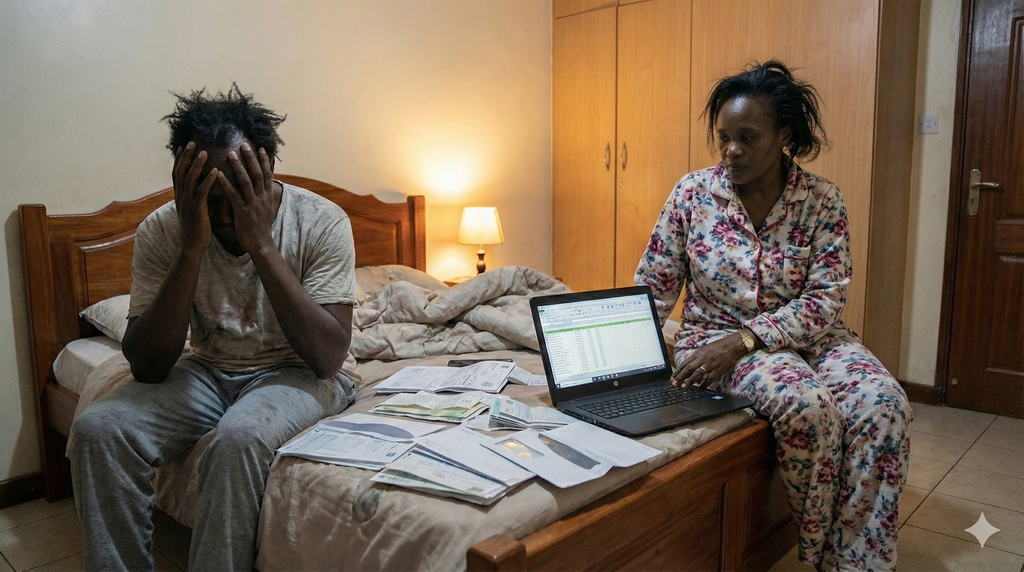
Nairobi accountant Richard shares a home with his wife and shares child‑rearing duties, but for five years they have shared nothing else intimate, a silence that began after their first baby and deepened through job losses, frozen salaries, and endless matatu fares that eat every spare shilling. His rage and failed arguments echo stories flooding Kenyan WhatsApp groups and Reddit threads, where couples describe marriages reduced to roommate logistics amid economic hardship that has driven sex frequency into the ground for thousands of households across the country. With inflation squeezing 50 percent of adults into constant financial anxiety, the bedroom has become collateral damage, as bill stress, hustle exhaustion, and provider shame quietly extinguish desire between partners who once found time for passion.
Experts tracking the pattern confirm what forums already scream: recessions and cost‑of‑living crises reliably kill libido through biological stress responses and eroded emotional trust. COVID lockdowns offered a preview, dropping relationship satisfaction from 73 percent to 58 percent as cabin fever and uncertainty mounted, and today’s data shows 41.6 percent of Kenyan couples, particularly those aged 31 to 50, reporting outright dissatisfaction with their intimate lives. Husbands blame fourteen‑hour workdays and unpaid rent; wives point to childcare overload and vanished energy; together they navigate a dry spell that feels as inevitable as the latest fuel price hike.
When bills become the third partner in bed
Kenya’s economy crushes couples through relentless pressure that leaves no room for romance. Food inflation spiked 18 percent mid‑2025 while overall rates hovered at 4.5 percent in August, forcing half the population into mental health strain that manifests most painfully in private spaces. Men, culturally wired as primary providers, absorb the heaviest biological hit, with 94.5 percent of urban hypertensives, a group swollen by stress eating and desk jobs, now grappling with erectile dysfunction that turns bedroom invitations into quiet defeats.
Financial cortisol floods the system, crashing testosterone levels and desire across genders while amplifying every argument over groceries or school fees into relationship fractures. Husbands drag home from double hustles with bodies too depleted for touch; wives balance office shifts, evening gigs, and bedtime routines that leave arousal as a distant memory. Post‑children dynamics worsen the slide, as vaginal dryness excuses and fatigue claims evolve from temporary pauses into permanent roommate status, with economic fights over money eroding the trust that once lubricated intimacy.
Men’s hidden battle: ED meets provider shame
For Kenyan men, the dry spell hides a medical crisis amplified by money woes. Erectile dysfunction now strikes 94.5 percent of hypertensives, a condition exploding among stressed 40‑somethings through poor diets, smoking escapes, and sedentary survival modes. Urologists report doubled appointments from men in their prime, each blaming the same cocktail of mental load, poor sleep, and crushed self‑esteem from watching providers fail their families.
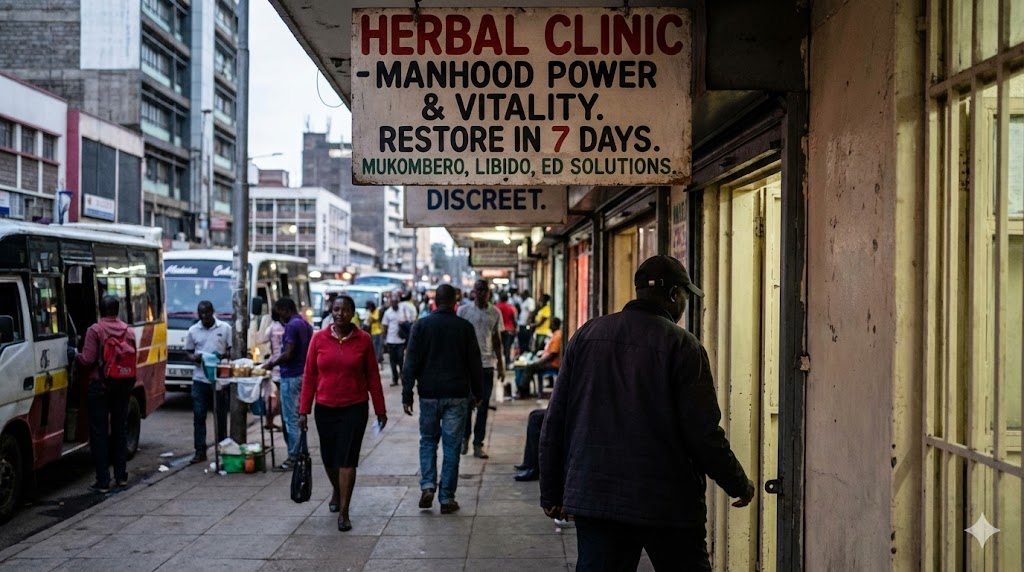
Stigma doubles the damage. Admitting ED feels like confessing the ultimate masculine failure in a culture that equates bedroom reliability with overall worth. Online confessions reveal married men quietly sourcing herbal fixes or side distractions rather than risking spousal rejection, while workplace absenteeism climbs as unaddressed dysfunction bleeds into focus and mood. The economy does not just stress the wallet; it strikes manhood at its core.
Women’s exhaustion drowns out desire
On the other side, women navigate their own libido collapse under overlapping loads. Kenyatta National Hospital sees 60 percent of daily gynaecology cases tied to low desire driven by professional burnout, household overload, and the relentless grind of making ends meet. Postpartum physical changes morph into chronic excuses, while economic fatigue eliminates space for the self‑care and mental reset that arousal demands.
Surveys link household financial strain directly to rising divorce rates between 20 and 30 percent, as women weigh emotional disconnection against the stability of shared bills. When every evening ends in survival mode rather than seduction, sex slips from priority to afterthought.
Numbers confirm the bedroom recession
COVID lockdowns previewed the pattern, with dissatisfaction surging as economic lockdown fused with physical confinement to kill spark. Recent Kenyan surveys pin 50 percent of adults in cost‑related anxiety, while 41.6 percent of couples voice outright intimate unhappiness in the post‑pandemic stretch. Global research mirrors the math: financial hardship consistently predicts plummeting desire and satisfaction.
Kenyan forums overflow with the same refrain. Facebook groups and Reddit threads teem with “dry spell marriage” searches where husbands plead for frequency and wives explain vanishing capacity. The data lands the same way every time: money stress starves the bedroom.
Escaping the dry spell when bills rule
Counsellors point to practical lifelines amid the squeeze. Couples must carve intentional disconnection from daily stress, treating intimacy as deliberate ritual rather than spontaneous spark. Therapy normalises conversations around dysfunction without shame, while small investments like budgeted date nights reclaim eroded connection even when grand gestures stay impossible.
For men, early ED intervention through exercise, nutrition tweaks, and open partner talks outperforms silent suffering or risky side solutions. Economic recovery would lift all boats naturally, but until inflation eases and jobs stabilise, Kenya’s couples navigate a dry spell that reveals how deeply finances weave through the most private human bonds.