-(1).jpg)

-2.jpg)
.jpg)


The Rise of Sex-Positive Content Creators in Kenya: Education or Indecency?
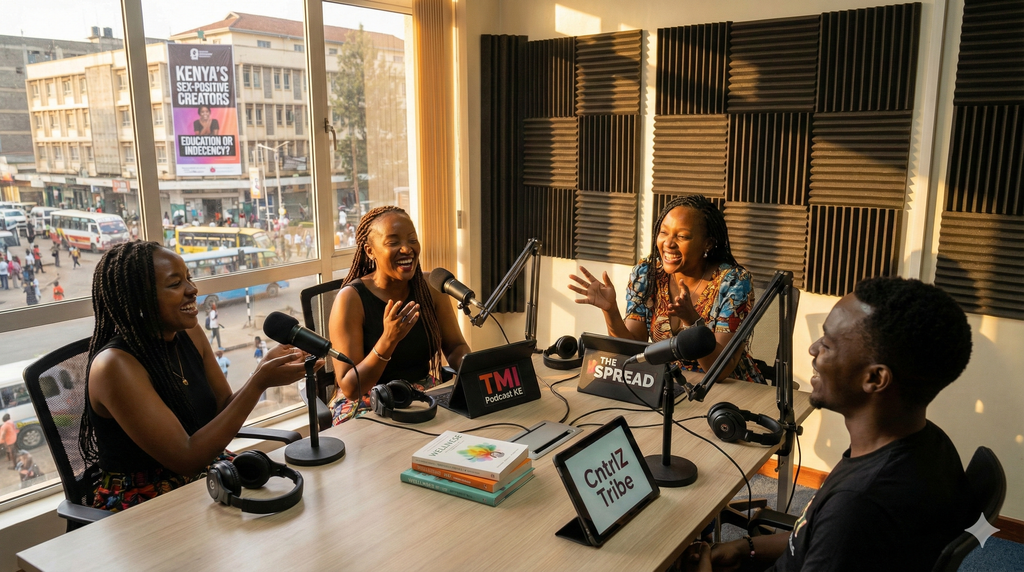
Hop onto any Nairobi matatu during rush hour or sit at a Westlands café during lunch break, and through dozens of earphones you will hear conversations that would have been unthinkable five years ago. Bedroom secrets once shared only between closest partners now play openly as young professionals and students alike tune into podcasts that tackle sex with a candor Kenyan schools never dared approach. Shows like TMI by Murugi Munyi and Lydia KM, The Spread by Karen Kaz Lucas, CntrlZ Tribe, and Unfiltered Podcast have turned orgasm gaps, vibrator choices, consent boundaries, and disastrous hookups into mainstream topics that collectively pull millions of downloads while igniting fierce church backlash across the country.
Kenya’s education system treats sex as a biology footnote and moral warning, delivering abstinence pamphlets alongside diagrams that skip human reality entirely. Just 2 percent of students report getting anything resembling comprehensive coverage, leaving a massive void these creators have aggressively filled. Conservative critics frame them as Western-corrupted influencers peddling indecency in a Christian nation, while listeners quietly report better relationships and smarter choices. The question hangs in the air: have these voices become the sex educators Kenya’s broken curriculum never delivered, or do they represent something more culturally dangerous?
The voices rewriting Kenya’s conversation about sex
At the forefront stands TMI Podcast KE, hosted by Murugi Munyi and Lydia KM, whose electric on-air chemistry has earned them 4.6-star Apple ratings and endless TikTok virality. When they dissect episodes like “Stop Doing THIS During Sex” or unpack touchy moments with unguarded laughter, the episodes rack up six-figure YouTube numbers while their “dirty” discussions about stranger abortions, body counts, and specific pleasure techniques draw comments from listeners who finally feel seen. Their blend of raw honesty and sisterly camaraderie has made sex talk feel less like clinical advice and more like trusted girlfriends breaking down years of silence.
Karen Kaz Lucas launched The Spread back in 2015 as Kenya’s quiet pioneer, steadily building 52 episodes that methodically decolonise African sexuality while confronting brutal realities like the 80 percent clitoral orgasm truth for women, LGBTQ rights in hostile spaces, and the disconnect between porn expectations and bedroom reality. Her SpreadFest workshops on self-pleasure drew 600 participants, proving demand stretched far beyond podcast listeners, while individual episodes consistently hit 21k SoundCloud plays through steady word-of-mouth among urban women seeking answers schools never provided.
CntrlZ Tribe pushes boundaries further with Gen Z energy, tackling sexual reproductive health, consent under alcohol influence, and relationships with a boldness that ignites TikTok when clips like “Dreadi na Kujiweka Huru” capture raw truths about modern dating. Unfiltered Podcast leans into organised chaos through “worst sexual experiences” confessionals, Never Have I Ever sex edition games, and detailed lists of bedroom mistakes to avoid, feeding exactly the kind of unscripted youth conversations that formal education could never contain.
Beyond podcasts, Bev Munga’s “Vibrating Lawyer” persona bridges online talk to physical reality as she openly demos and sells G-Spot Kenya toys, while sex therapist Maurice Matheka methodically dismantles cultural myths around performance and pleasure. Randy Radio, WAZZII, and Circling The Rabbit Hole layer in generational angles from Gen Z experimentation through menopause realities and male andropause struggles, creating an ecosystem where Spotify data confirms love, sex, and dating content hooks Kenyan listeners harder than any other category.
Why the school system left this vacuum
Kenya’s Life Skills curriculum carries a promising name but delivers mostly fear through abstinence-only messaging, condoms framed as unreliable, and sex positioned somewhere between sinful and dangerous. Teachers report covering 75 percent of topics in surveys, yet students consistently test with near-zero retention on contraception methods, consent dynamics, relationship violence warning signs, or basic pleasure anatomy. The curriculum skips orgasm mechanics entirely, ignores safe toy usage, and treats communication during intimacy as unnecessary.
No wonder 25 percent of 15 to 17-year-olds remain sexually active while HIV rates, STIs, and teen pregnancy continue climbing through gaps no pamphlet ever closed. Religious stakeholders block comprehensive sex education as inherently sexualising to children, leaving a generation to navigate intimacy through TikTok trends, peer rumours, and increasingly these podcasts that finally name clitoral reality, model healthy communication patterns, and normalise safe pleasure tools schools pretend do not exist.
The fury meets unyielding demand
Predictably, backlash exploded alongside the downloads. The Spread earned “lesbian propaganda” labels and faced anti-gay law investigations while TMI’s touchy on-mic moments and Unfiltered’s game-show style confessions drew cringe accusations across church WhatsApp groups. CntrlZ Tribe’s straightforward consent discussions caught “Western agenda” flak in comment sections where church-state cultural fusion drives 90 percent homophobia even as pastoral abuse scandals reveal hypocrisy beneath the outrage.
Kenya’s Indecency Act hangs overhead, ready to classify explicit content as obscene while conservative fury paints these creators as moral erosion agents corrupting impressionable youth. Yet the metrics tell another story entirely. TMI collects awards and sponsorships. SpreadFest sells out workshops annually. Listeners flood comment sections with testimonies about transformed sex lives, avoided mistakes, and partners who finally learned to listen.
Real education buried in the explicit
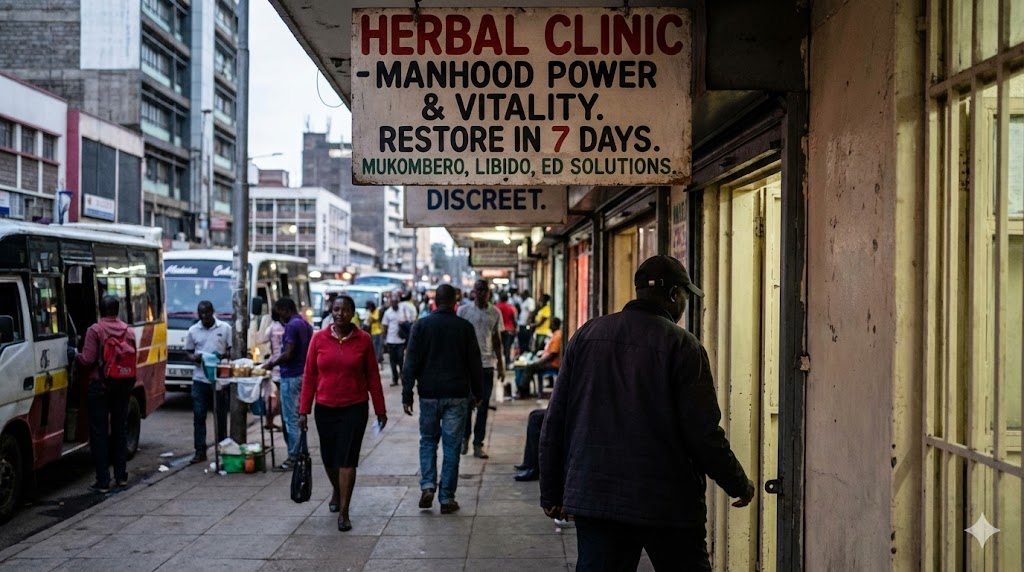
Nobody pretends these shows play clean. Unfiltered’s disaster stories teach through negative examples what behaviours to dodge entirely. CntrlZ Tribe’s consent conversations under real-world conditions like alcohol influence carry life-saving clarity. TMI methodically demystifies orgasm mechanics and partner communication in ways that reduce shame across entire relationships. Amid statistics showing 94 percent ED prevalence among Kenyan hypertensives and cultural stigma that silences men entirely, this content carries public health value no biology class ever matched.
The creators Kenya cannot afford to lose
Sex-positive Kenyan voices like TMI, The Spread, CntrlZ Tribe, and Unfiltered represent neither indecency nor Western corruption. They fill an educational chasm where schools delivered fear and churches peddled silence, stepping into a void that breeds abuse, unsafe encounters, and generations navigating intimacy through dangerously incomplete information.
Any serious sex education reform must embrace comprehensive reality, pleasure-inclusive truth, and communication skills these creators model daily. Until Kenya’s curriculum catches up with its citizens’ actual lives, keep those earphones in on the matatu. The conversation happening through them carries more practical wisdom than any Life Skills textbook ever printed.