



-2.jpg)
The ‘Soft Life’ Debt Trap: The Rising Rate of Loan App Suicides Among Young Professionals
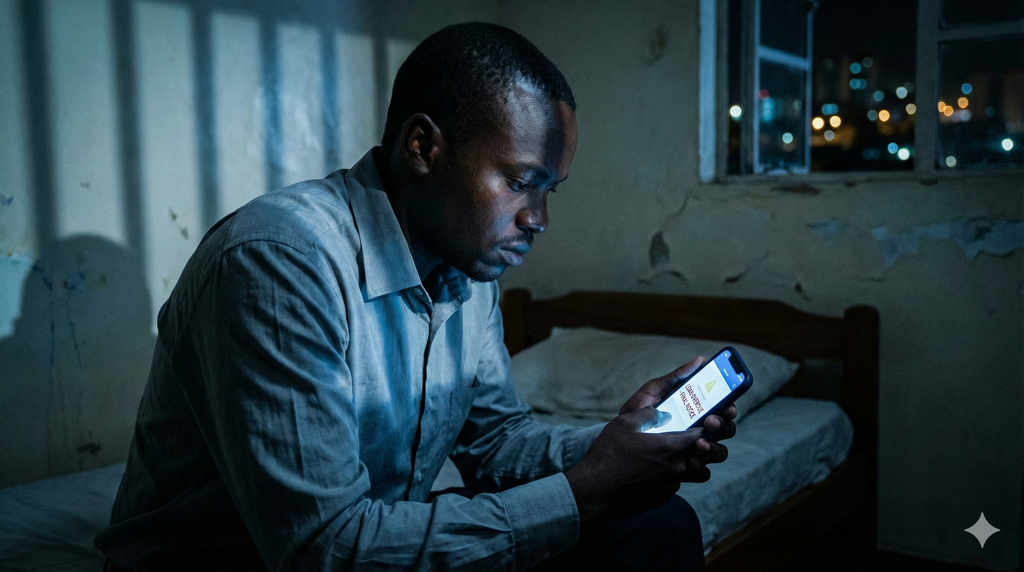
One Monday evening in Kandara, Murang’a County, 25-year-old Samuel Ngari kissed his parents goodbye as they headed to the farm, promising to join them after resting. Hours later they found him hanging from his bedroom rafters, driven to that desperate act by the crushing weight of a KSh 3,000 mobile loan he could never repay amid relentless app harassment that stripped away every shred of dignity. His story lands quietly amid Central Bank warnings of similar tragedies, like the middle-aged man who took his own life after digital lenders bombarded him with shame tactics until breaking point arrived. Kenya loses about four people daily to suicide, financial desperation increasingly fingered as the spark, yet no headlines track the loan apps fuelling this hidden toll among ambitious young professionals chasing Nairobi’s elusive soft life.
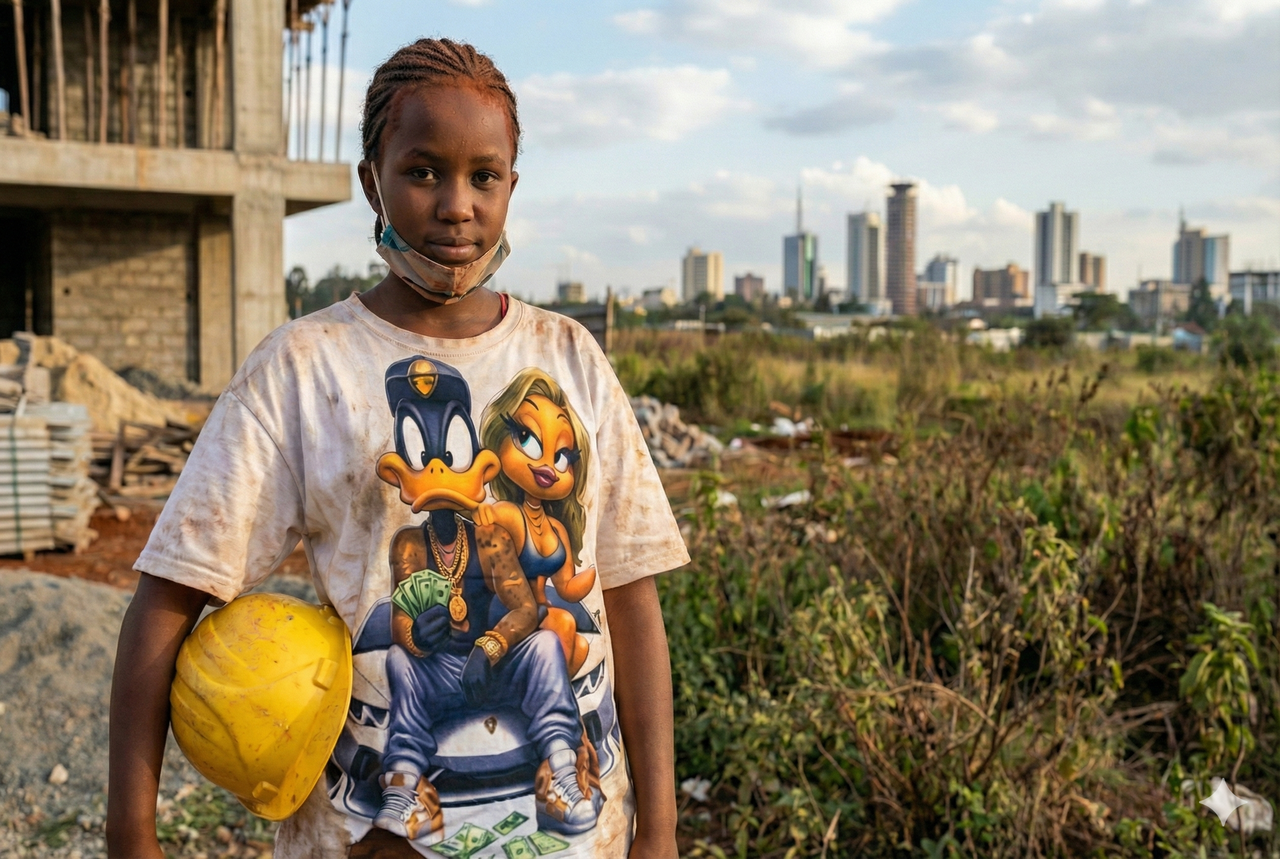
Samuel’s death sits in a national blind spot with no official statistics linking it to predatory platforms, no parliamentary probes, no public memorials, even as fresh graduates and mid-level hustlers keep downloading Tala, Branch, Zenka, and OKash to bridge the gap between KSh 60,000 salaries and Instagram dreams of Kilimani brunches and Lavington weekends. Predatory lending merges with TikTok aspiration culture and a mental health crisis leaving 75 percent of Kenyans without counselling access, creating a perfect storm where financial literacy gaps turn quick cash fixes into life-ending traps.
How 30 percent weekly rates lock you forever
Tap for a KSh 1,000 seven-day lifeline and watch KSh 100 interest devour it, compounding to a grotesque 5,200 percent annualised rate that makes shylocks blush. Tala demands 0.3 to 0.6 percent daily for 110 to 220 percent yearly blood money, M-Shwari extracts 9 percent monthly hitting 108 percent over twelve months, and Branch climbs to 216 percent depending on your desperation level. Stack those against a standard bank loan’s tame 12 percent annual and the daylight robbery glares obvious.
The design ensures entrapment from the first tap. Borrow KSh 10,000 over thirty days at Zenka’s typical 24 percent bite and cough up KSh 2,400 in fees and interest for a measly KSh 7,600 net deposit. Miss payment by one day and the storm breaks, with 1,000 calls blasting from sixty different numbers across forty-eight hours, some shrieking awake at 5am, others hounding past midnight in a coordinated assault meant to shatter sanity.
Escape one app by tapping another, then a third, building a Ponzi tower where new loans service old debts until Njoki’s KSh 500 starter snowballs to KSh 20,000 across platforms she cannot even track anymore. This cycle does not collect debt. It manufactures despair.
Instagram soft life: borrowed glamour kills slow
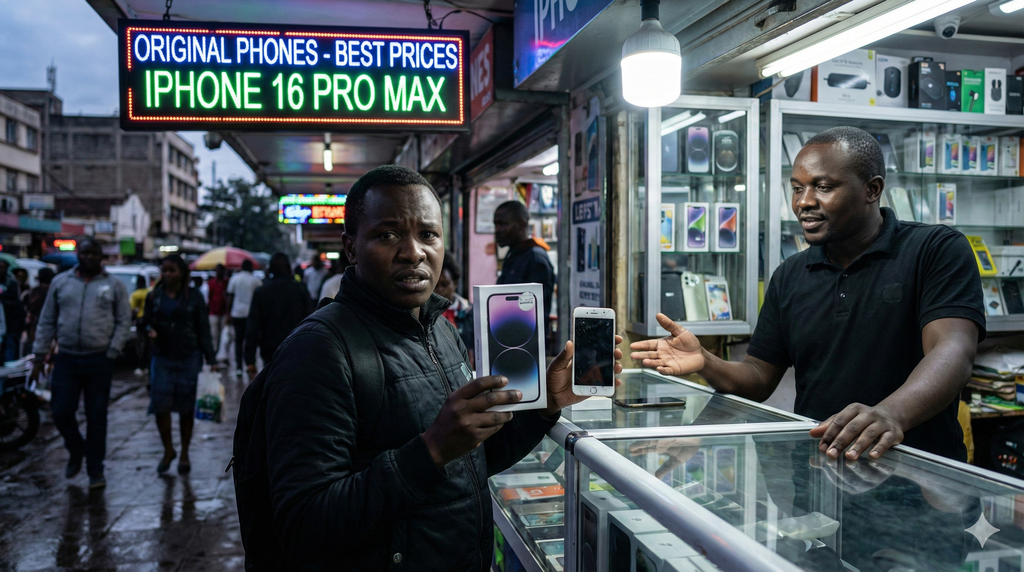
TikTok and Instagram peddle soft life as the prize every hustler deserves, rooftop cocktails in Kilimani, designer hauls from Sarit Centre, Airbnb weekends at Diani, all curated for maximum envy among peers scrolling during lunch breaks. The aesthetic whispers that capitalism finally delivered for your generation if only you grind hard enough, yet beneath curated feeds lurks debt‑fuelled fakery where influencers flash sponsored stays and young pros borrow to match the mirage.
Social comparison turns toxic fast. That KSh 60,000 salary once stretched across rent, food, and modest fun; now lifestyle inflation demands brunches, craft beers, matching couple outfits, and getaway deposits that outpace income growth. Njoki strolled past a boutique, eyed dresses screaming soft life status, lacked cash, and solved it with three app taps delivering KSh 5,000 instantly for photos that earned likes while debt interest ticked silently upward.
Dating amps the pressure, with soft life couples expected to split rooftop bills, weekend escapes, and experience investments that strain even dual incomes. One young woman captured the exhaustion: soft life feels amazing in the filtered moment but leaves partners financially hollowed if neither can sustain the performance without borrowing against tomorrow.
Harassment hell: thousand calls, stolen shame
Default triggers war when Samuel could not pay. Apps harvest your full contact list at signup, then weaponise it against family, bosses, clients, and exes with calls demanding they pressure you into repayment. One reporter endured 1,000 calls from sixty numbers in forty-eight hours, Mercy snarling payment deadlines or peace vanishes forever, Gerald granting thirty minutes before exposure hits.
They pull gallery nudes, fabricate group chats, threaten blasts to mothers with captions like “help your son settle his loan,” turning private shame into public spectacle. Data Protection Commissioner Immaculate Kassait calls this illegal extortion beyond borrower agreements, yet Mulla Pride paid KSh 2.98 million fines in 2022 while harassment topped 2025 complaints.
Grace stared down depression’s edge from endless threats, saved only by her child’s face; Reddit overflows with blocked numbers and lingering trauma months after final payments cleared.
CRB blacklist: KSh 200 ruins seven years
Default on KSh 200 lands CRB blacklists for seven years, blocking banks while funneling you deeper into unregulated hell. Justus Mwangi’s 2016 KSh 1,500 party loan snowballed into decade-long exclusion after four years of calls, leaving him shylock‑dependent with no formal escape.
Fifteen percent of 2.7 million recent listings stem from under KSh 200 debts, trapping economic shock victims in cycles where mental collapse follows financial asphyxiation.
Four daily suicides meet zero services
Kenya loses four lives daily to suicide at 6.1 per 100,000 crude rate, one in four adults showing depression signals, yet 75 percent lack counselling reach. Financial literacy voids collide with predatory lending harassment to accelerate the fall.
Fix the trap before more Samuels fall
Cap rates at 3 percent monthly maximum with jail for violations and harassment bans. Mandate school financial literacy teaching compound traps and debt psychology. Normalise mental health with county hotlines and CRB reform limiting tiny debt listings to three years maximum.
Until regulators treat apps as extractors not innovators, soft life stays a debt‑fuelled Instagram lie costing young Kenyan lives one missed payment at a time. Samuel Ngari deserved better than a KSh 3,000 noose.