


-(10).jpg)
The landscape of Kenyan sports has entered a period of profound transformation, marked by a mixture of administrative hurdles, individual triumphs, and significant infrastructure developments. As of early 2026, the nation finds itself at a crossroads, particularly in the realms of athletics and football. While the promise of new facilities like the Talanta Stadium offers a glimpse into a brighter future, the dark clouds of doping allegations and inconsistent national team performances continue to loom large over the sporting fraternity.
The Athletics Integrity Crisis: The Case of Bernard Kibet Koech
Kenyan athletics, long the crown jewel of the nation’s sporting identity, has been dealt another devastating blow. The Athletics Integrity Unit, known as the AIU, recently confirmed a four-year ban for Olympian Bernard Kibet Koech. This decision follows a rigorous disciplinary tribunal ruling that found the athlete in violation of anti-doping regulations. For a country that has consistently fought to stay off the World Athletics “Category A” watch list, this development is more than just a personal tragedy for the athlete, it is a systemic setback.
Koech, who has represented Kenya on the world’s biggest stages, now faces a lengthy period away from the track. The ban serves as a stern reminder of the uncompromising stance taken by international bodies against the use of prohibited substances. Within Kenya, the news has sparked renewed calls for more stringent internal testing and better education for athletes regarding the supplements they consume. The financial and reputational cost of such bans is immeasurable, often stripping athletes of their livelihoods and casting a shadow over the clean competitors who continue to fly the Kenyan flag with honour.
Harambee Stars: Navigating the Benni McCarthy Era
In the world of football, the national team, Harambee Stars, is currently navigating one of its most turbulent periods in recent history. The appointment of South African legend Benni McCarthy was met with widespread optimism, yet the reality on the pitch has been sobering. A recent international friendly against Senegal resulted in what many commentators have described as the darkest football tragedy in nearly half a century. The 8-0 defeat was not just a loss, it was a total collapse that exposed deep-seated tactical and structural weaknesses within the squad.
Despite the heavy defeat, voices of reason within the African football community are calling for patience. Nigeria and Chelsea legend John Obi Mikel has weighed in on the situation, offering constructive advice to McCarthy. Mikel emphasized that for the Harambee Stars to become a formidable force, the focus must shift toward building a strong foundation rather than seeking immediate, short-term results. According to Mikel, the emphasis should be on defensive discipline and creating a cohesive unit that can withstand the pressure of elite African competition.
The road to redemption for the Harambee Stars is likely to be long. The 8-0 drubbing by Senegal served as a wake-up call for the Football Kenya Federation, highlighting the vast gap that exists between Kenya and the continent’s elite teams. However, with McCarthy’s experience and the potential for a tactical overhaul, there remains a glimmer of hope that this “tragedy” could serve as the catalyst for a much-needed revolution in Kenyan football.
Infrastructure and the Future: The Talanta Stadium Project
While the national team struggles on the pitch, the government is making significant strides in providing the necessary infrastructure to support the next generation of talent. The Talanta Stadium, a flagship project aimed at modernising Kenya’s sporting facilities, is nearing completion. Recent updates from the Ministry of Sports reveal that the project has entered its final phases, with external works currently underway to give the facility a world-class aesthetic.
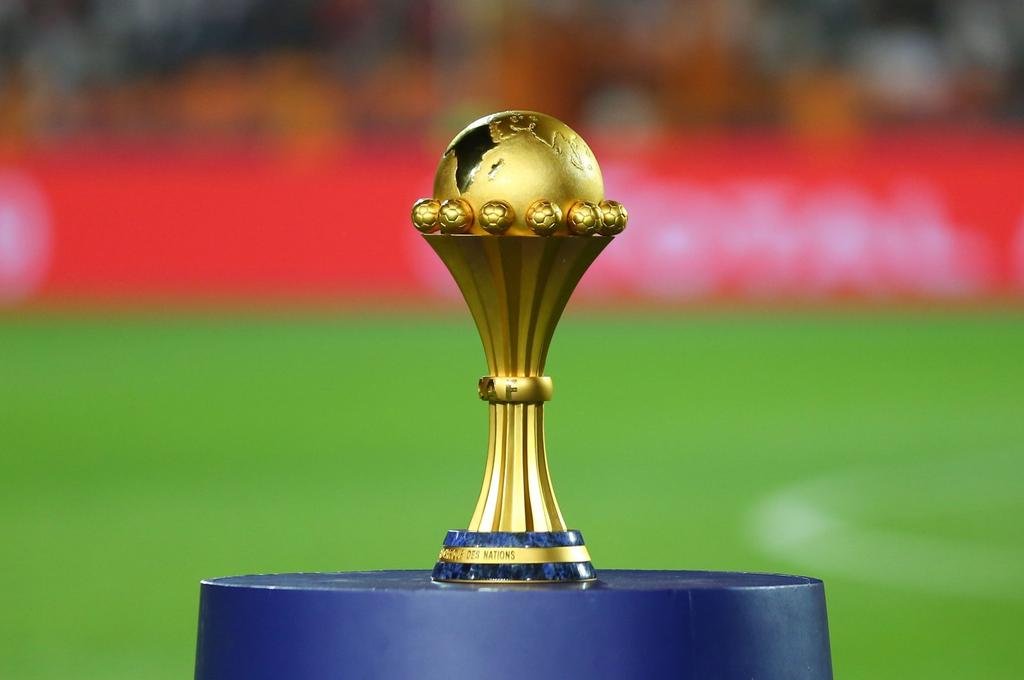
In a move to make the stadium a multi-purpose hub, the government has announced the addition of two major facilities to the original plan. These additions are expected to enhance the stadium’s capacity to host international events beyond football, including athletics and indoor sports. The Talanta Stadium is not just a building, it is a symbol of the country’s ambition to host major continental tournaments, such as the upcoming AFCON editions. By investing in such high-quality venues, Kenya is positioning itself as a premier sporting destination in East Africa, which could have significant economic benefits through sports tourism.
Transfer News: Austin Odhiambo and the Gor Mahia Exodus
On the domestic front, the Kenyan Premier League continues to be a breeding ground for talent, though keeping that talent at home remains a challenge. Harambee Stars midfielder Austin Odhiambo has officially departed Gor Mahia to join a Lebanese side, marking a significant step in his professional career. Odhiambo has been a standout performer in the local league, and his move overseas is a testament to the quality of players being produced in Kenya.
However, Odhiambo’s departure is part of a broader trend of unrest at Gor Mahia. Reports suggest that a key Harambee Stars defender is also plotting an exit from the club, citing a lack of playing time and a desire for a fresh challenge. The defender, formerly of Bandari FC, has struggled to break into the starting eleven this season and is reportedly looking for a move that will guarantee him regular football. This internal friction at one of Kenya’s most storied clubs highlights the difficulties of managing high-profile squads in a league where financial stability and player satisfaction are often in flux.
Continental Perspectives: AFCON 2025 and the Cost of Ambition
Looking beyond Kenya’s borders, the preparations for AFCON 2025 in Morocco are reaching a fever pitch. The tournament is set to feature nine “stadium gems” across Morocco, showcasing the best of African football in state-of-the-art venues. For teams like Angola, however, the road to the tournament has been paved with financial regret. The Angolan national team is currently counting the losses after a Ksh 1.5 billion pre-AFCON friendly failed to yield the desired results. Angola’s early exit from the group stage has led to a period of introspection regarding the massive expenditure on preparations that did not translate into success on the field.
The situation in Angola serves as a cautionary tale for other African nations, including Kenya. It demonstrates that while financial investment is crucial, it must be backed by a sound technical strategy and a realistic assessment of the team’s capabilities. As the full groups and fixtures for AFCON 2025 are released, the focus for many nations will be on balancing their budgets with their sporting ambitions.
South African Drama: Pressure at Mamelodi Sundowns and Kaizer Chiefs
The South African Premier Soccer League, which often shares a close connection with Kenyan football through player and coach exchanges, is also witnessing its fair share of drama. Miguel Cardoso, the head coach of Mamelodi Sundowns, recently made an emotional appeal to fans amid mounting pressure. Cardoso, who has faced constant comparisons to the legendary Pitso Mosimane, urged supporters to show patience and unity as he navigates a challenging period with the club. His “one day I will go” comment resonated with many, highlighting the high-pressure environment of elite coaching in Africa.
Meanwhile, Kaizer Chiefs are embroiled in a bizarre ownership dispute. A Pretoria-based businessman has come forward claiming he is entitled to a 50 percent share of the club. This legal battle adds another layer of complexity to a club that is already striving to regain its former glory on the pitch. Such off-field distractions are often the bane of major sporting institutions, diverting attention away from the core mission of winning trophies.
International Athletics: The Christian Coleman Incident
In international athletics news that has reverberated through the Kenyan camp, American sprinter Christian Coleman has broken his silence following his arrest in Florida alongside his girlfriend, Sha’Carri Richardson. Coleman, a major rival to Kenya’s sprinting stars, has promised to change his behaviour moving forward. The incident has sparked discussions about the responsibilities of high-profile athletes as role models and the impact of personal conduct on their professional careers. For Kenyan sprinters looking to make their mark on the global stage, the distractions facing their international rivals could provide a unique opportunity to gain ground in the world rankings.
The Global Impact of African Talent
Finally, it is worth noting the continued influence of African players on the global stage, particularly in the English Premier League. The popularity of the league in Africa and beyond is significantly bolstered by the talents of players from across the continent. Their leadership skills and incredible technical abilities have made them indispensable to some of the world’s biggest clubs. This global success continues to inspire young athletes in Kenya, providing a clear pathway from local academies to the pinnacle of world sport.
As Kenya moves forward into 2026, the challenges are evident, but so are the opportunities. Whether it is through the completion of the Talanta Stadium, the tactical evolution of the Harambee Stars, or the continued pursuit of clean sport in athletics, the nation remains a vital and vibrant part of the global sporting community. The lessons learned from recent setbacks will be crucial in shaping a more resilient and successful future for Kenyan sports.