

AFCON 2025 vs AFCON 2027: Can East Africa Match Morocco’s Gold Standard?
Picture this. You are watching AFCON 2025 on TV from Nairobi or Dar, and every Moroccan stadium looks like something out of a PlayStation cutscene. Full house. Perfect pitch. Lights crisp. Broadcast angles clean. No drama except on the pitch. Then you remember CHAN 2024 in East Africa, where ticketing systems crashed, bots bought all the early tickets, some stadiums looked half baked, and in Tanzania huge beautiful grounds were half empty. Now the same region wants to host AFCON 2027, while Morocco has just reminded CAF what a serious football nation looks like. That is the gap we need to talk about honestly.
Morocco’s AFCON 2025: A Tournament With No Excuses
Morocco did not just host AFCON; they flexed. They rolled out nine fully upgraded stadiums across six cities, all football‑first designs, hybrid grass, proper floodlights, VAR and goal‑line tech baked into the architecture, and broadcast facilities that made the whole thing feel like a World Cup rehearsal. There were no half‑done terraces, no “we’re still installing seats” stories, no last‑minute pitch re‑turfing dramas.
They had one government calling the shots, one budget pipeline, one technical chain of command. That meant procurement without cross‑border wrangles, uniform standards, and a clear accountability line if anything went wrong. Spread across Rabat, Casablanca, Marrakech, Fez, Tangier and Agadir, they created a smooth rotation of matches that never felt over‑stretched.
Most importantly, AFCON 2025 ran from opening ceremony to final whistle without any major infrastructure meltdown, security panic or organisational scandal. Morocco has hosted big tournaments before, so they were operating from a real playbook, not vibes and press conferences. For CAF, that is now the continental gold standard. Anything East Africa serves in 2027 will be compared against that.
CHAN 2024: East Africa’s Test That Exposed the Cracks
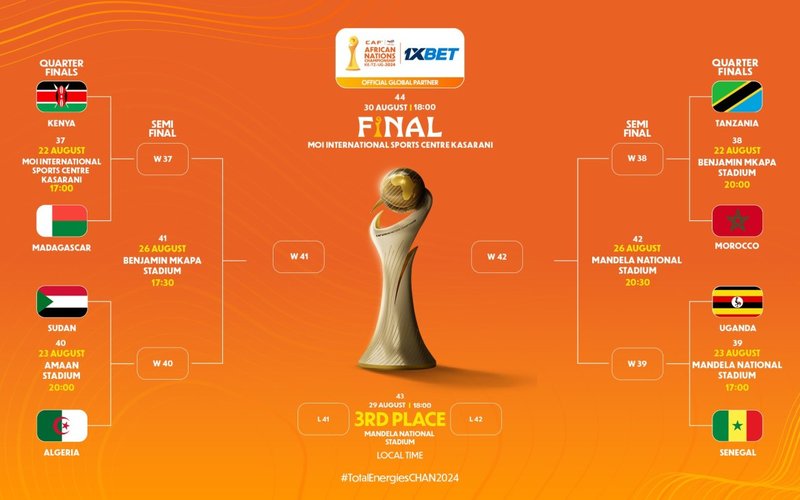
When Kenya, Uganda and Tanzania jointly hosted CHAN 2024, it was supposed to be the dress rehearsal for 2027. In some ways, it worked. Benjamin Mkapa in Dar and Mandela National Stadium in Kampala passed CAF tests. Kasarani managed to host big games. Amaan in Zanzibar gave flavour. But beneath the surface, CHAN was a reality check.
Kenya struggled hardest. Kasarani’s roof and refurbishments went down to wire. Nyayo was far from ready at the initial deadlines, with patchy grass and delayed lighting. Training grounds like Kirigiti lacked basics like generators and decent finish. VAR and goal‑line tech had to be retro‑fitted into old shells built in another era, instead of being designed into the DNA like in Morocco.
Uganda did comparatively well with Mandela, but still had to hustle to meet CAF expectations. Tanzania, on paper, was closest to ready. Benjamin Mkapa and Amaan drew praise from inspectors. Yet the story did not end with bricks and mortar. It shifted to fans and systems, where East Africa failed the vibe test badly.
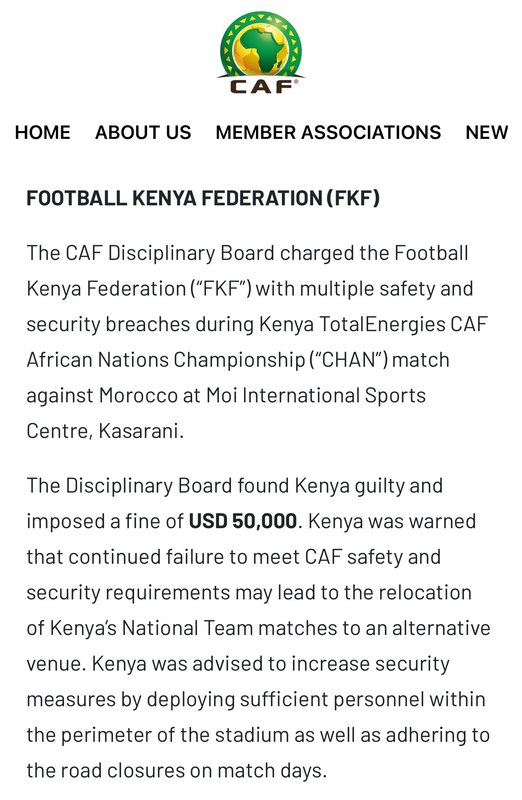
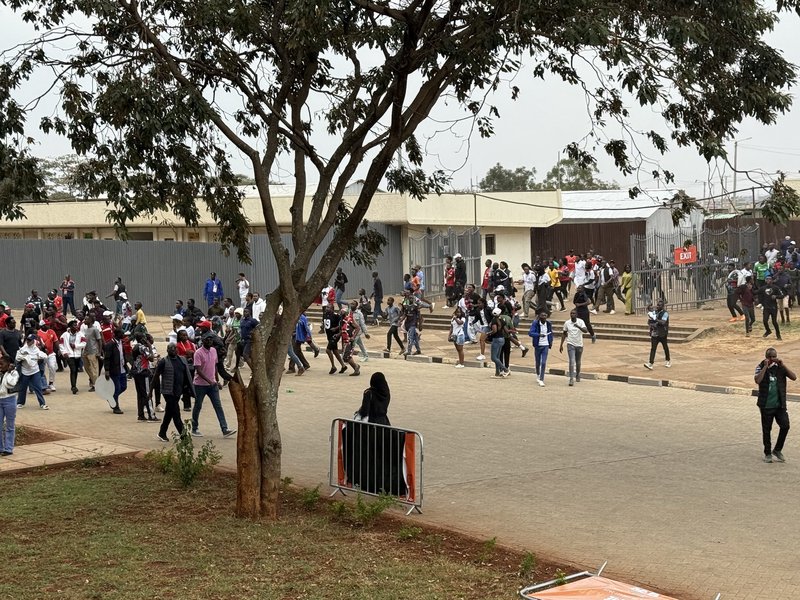
The ugliest chapter was ticketing. The Mookh platform collapsed under a wave of bots and poor planning. Tickets disappeared in minutes, genuine fans were shut out, black market hustlers had a field day, fake tickets flooded gates, stampede risk spiked, and CAF slapped fines and attendance caps on Kenyan matches. That is the kind of operational chaos Morocco simply did not entertain.
Tanzania: Ready Stadiums, Empty Seats
Tanzania sits at the centre of the 2027 risk map for a strange reason. Their main stadiums are closer to ready than most, yet their stands were often embarrassingly empty during CHAN. Imagine viewing angles where you see a world‑class 60,000‑seater with maybe 15,000 fans scattered inside while a continental tournament is ongoing. That is not just a local problem. It becomes a meme on international sports channels.
Ticket prices were not insane by regional standards, but still high for average Tanzanian pockets. Combine that with weaker domestic league culture and you get a bad cocktail: big stadiums, small crowds, and cameras that cannot lie. For AFCON 2027, that is a nightmare scenario. You do not want quarter‑finals in Arusha or Dodoma with echoing stands when the whole of Africa is tuned in.
If Tanzania fails to both complete its new stadiums and fill them, it will not just embarrass Dodoma. It will drag down the whole EAC brand. When CAF and FIFA think about future tournaments, they will not say “Tanzania messed up.” They will say “East Africa cannot handle big tournaments.”
The 2027 Checklist: What Kenya, Uganda and Tanzania Must Fix Fast
To be fair, the EAC Pamoja bid is not a joke on paper. Kenya is building a new flagship ground in Nairobi, designed for football, with multiple training fields and modern tech. Uganda has upgraded Mandela and is working on new venues. Tanzania has big plans in Arusha and Dodoma to join Benjamin Mkapa and Amaan. On a CAF requirement sheet, the region can tick boxes.
The problems live in timelines, coordination and culture. Roughly ten stadiums across three countries either still need major work or full construction. That is a scary load with barely eighteen months of realistic runway. One contractor strike, one rainy season, one procurement scandal, and suddenly fixtures have to be moved, or CAF quietly writes stern letters and considers fallback plans.
Then there is the software side. Ticketing cannot be left to the same platform that crashed under CHAN. A serious, battle‑tested system with bot protection, purchase caps, strong verification and live reporting has to be procured, not just awarded to a politically connected startup. Stewarding, security drills, transport logistics, fan information systems, medical response plans, all have to be drilled before 2027, not in the first week when things already go wrong.
And underneath the spreadsheets is the fan culture question. Kenya will show up if Harambee Stars are playing well and the marketing is right. Uganda can mobilise crowds when Cranes are competitive. Tanzania, at least from what CHAN showed the world, will need deliberate work: pricing strategy, aggressive local marketing, community outreach, maybe even bundling AFCON with domestic league revival and school programmes. Empty stadiums will kill the story no matter how nice the infrastructure looks.
Can East Africa Match Morocco, Or At Least Avoid Shame?
Putting Morocco and East Africa side by side is harsh but necessary. Morocco had fewer moving parts, old hosting experience, built or modernised everything early, and ran AFCON 2025 without drama. East Africa is juggling three governments, twelve stadiums, new constructions, a patchy CHAN record and ticketing PTSD.
Realistically, 2027 will not look as polished as 2025. What the region can aim for is something else: competence. Full, safe stadiums. Reliable ticketing. No unfinished terraces. No mass stampedes or gates overrun by fake tickets. No last‑minute venue swaps because a contractor lied about progress. If they pull that off, even if the TV pictures do not sparkle like Rabat, the football world will respect the effort.
If they do not, then AFCON 2027 becomes a cautionary tale. A case study CAF uses to warn against multi‑country experiments in regions that cannot coordinate. That would not just cost East Africa future tournaments; it would reinforce every lazy stereotype about African incompetence East Africans love to complain about when outsiders say it.
So the question is not just “Can we host AFCON?” It is “Are we ready to grow up and treat AFCON like the serious project it is?” Morocco answered that with a resounding yes. Kenya, Uganda and Tanzania have one last window to respond with something better than press conferences and render images.