.jpg)
.jpg)
.jpg)


The Day Rapcha Said ‘Enough’ to Spiro Motors
You know how sometimes you just wake up and realize something’s not right? Like, you’ve been paying your bills, doing your thing, and then—bam—a company you trusted suddenly flips the script and leaves you stranded. That’s exactly what happened to Rapcha. And honestly, it could’ve happened to any of us.
The Promise of the E-Bike
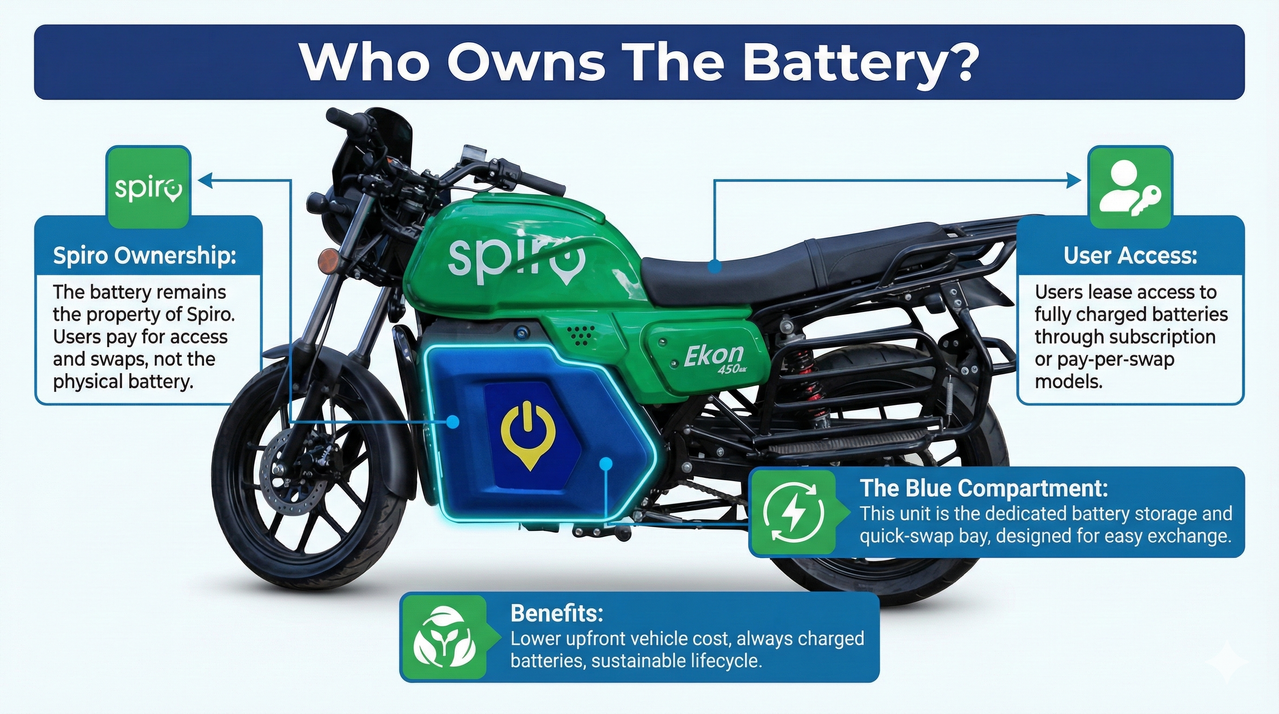
It all started in early December 2025. Rapcha, like so many other Kenyans, bought a Spiro e-bike. He paid Kshs 95,000 for the frame and motor, thinking he was finally owning his ride. But here’s the kicker: the battery? That’s Spiro’s. You don’t own it. You can’t charge it at home. You can’t just park your bike for a few days and come back to it. Nope. If you don’t swap your battery at one of their stations every five days, Spiro can remotely disable your bike. Just like that. Poof. No more ride. No more income.
Can you imagine? You’re a boda boda rider, sick in bed for a few days, and suddenly your livelihood is gone. That’s the reality for so many riders. Rapcha posted a photo of hundreds of bikes grounded at a swapping station, all because people couldn’t swap their batteries in time. He called it a “never-ending cycle”—paying Kshs 500-1,000 per swap, over and over, just to keep working. It’s like renting a SIM card, but for your bike.
When It Got Personal
Then things got personal. Rapcha took his bike for repairs, paid his money, and thought he was good. But after five days, Spiro accused him of damaging the battery. Over 20 threatening calls later, he was told, “We’ll take care of you.” Yeah, not the kind of “take care” you want to hear. He posted screenshots, DMs, and even a video of a call with a swap station owner. The details were chilling: remote disabling, repossession, and no clear explanation of the rules.
That’s when Rapcha decided to go all in. He announced he’d focus “100%” on exposing Spiro, calling them out for turning boda boda riders into slaves. He accused the Indian-owned firm of exploiting Kenyans with government backing, referencing a scandal where Spiro allegedly got Kshs 2.5 billion in taxpayer-funded import tax waivers. The fraud angle? Spiro uses rider mileage stats to sell carbon credits in global markets, incentivizing constant use. But for the riders, it’s just another trap.
The Backlash Grows
The backlash grew. Tech reports explained the model: you buy the bike, but the battery is Spiro’s. Remote lockouts and repossessions are standard. If you’re inactive—sick, on holiday, whatever—your battery gets taken back. Riders lose their bikes, their income, and sometimes, their dignity. Exploitation is real. These are often low-income people, single mothers, boda operators, targeted with “lipa mdogo mdogo” marketing, but ending up in debt cycles.
Then came the privacy violations. Rapcha shared DMs from Spiro management, including midnight messages and threats. He called them “jokers” and “criminals preying on ignorance.” Users chimed in, criticizing Spiro for sharing Rapcha’s phone number with influencers without consent. No home charging allowed; must use Spiro’s network. Grounded bikes mean lost earnings—Kshs 1,000-2,000 a day for boda riders. Some even compared it to a ponzi scheme, with dormant batteries reassigned to others.
Influencers and Irony
Influencers jumped in, mocking Rapcha’s background, calling his complaints attention-seeking. But Rapcha fired back: “Why pay 95K? What is Spiro selling?” He called it out—“95K inanunua hewa!!! Scrap haiwezi move without authority from SPIRO!” (95K buys air; scrap can’t move without Spiro). Users unpacked the model: tied to carbon markets, not rider help. Stats justify subsidies, but create “slave” conditions. Thousands saved from buying, riders reported harassment, and calls for mass lawsuits grew.
The Irony of Ownership
The irony? Riders use hard-earned money for bikes, only to face attacks when complaining. Rapcha’s story became a rallying cry. Alternatives exist—Roam, Ewaka allow home charging and full ownership. But for now, the battle rages on.
The Bigger Picture
This story isn’t just about Rapcha or Spiro. It’s about all of us—how we navigate a world where companies promise freedom but deliver control. It’s about the little guy fighting back, the everyday Kenyan trying to make a living in a system that often feels stacked against them. And sometimes, that fight is the only way to bring change.