

Kenya’s Women Governors and the Useless Woman Rep Seat: People’s Brutal Verdict
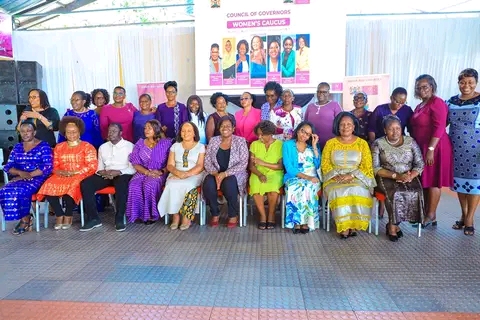
Picture the excitement back in 2022 when Kenya elected seven women governors for the first time. Everyone talked about maternal leadership finally cleansing politics, bringing compassion where men brought corruption. Fast forward to 2026 and that hope has completely evaporated. Regular Kenyans now openly say these women leaders assimilated into the same corrupt system they promised to dismantle, mastering graft, impunity, and political drama just as effectively as their male predecessors. The backlash has reached fever pitch with widespread calls to abolish the Woman Representative position, now universally mocked as a wasteful affirmative action experiment that serves individual ambitions rather than actual women in the counties.
The Great Betrayal: Women Leaders Become “Just Like the Men”
The primary disappointment dominating conversations revolves around shattered expectations. People genuinely believed female leadership would fundamentally differ from the traditional male model of theft and strongman politics. Instead they discovered women governors operate with identical ruthlessness once tasting power.
Ordinary citizens express complete loss of faith in gender as any predictor of integrity. They point out that corruption runs so deep through Kenyan leadership that even the most unlikely candidates transform once given authority. Women governors now face accusations of running ghost worker schemes, looting county resources, and protecting allies through judicial manipulation, mirroring exactly what male predecessors practiced for decades. One common refrain captures the sentiment perfectly: even your ordinary neighbor would likely steal if given such unchecked power.
The Mt. Kenya region governors receive particularly vicious criticism. Kawira Mwangaza’s Meru tenure transformed from promise to national embarrassment, viewed less as governance and more like reality television where surviving multiple impeachment attempts became the main achievement while actual county development stalled completely. Anne Waiguru in Kirinyaga saw her early “Minji Minji” popularity evaporate amid endless corruption scandals, with locals now sarcastically calling their county a “land of no men” to suggest her leadership style emasculated everyone around her rather than uplifting women as promised. Gladys Wanga in Homa Bay maintains an iron lady image but faces endless digging into her student politics days when she allegedly diverted funds to buy personal vehicles, with her court protections dismissed as elite judicial favouritism.
Gender Wars Erupt: The Boy Child Counter-Revolution
By 2026 the gender parity conversation evolved beyond glass ceiling celebrations into active male resistance. Men across Kenya feel genuinely cornered by what they see as reverse discrimination through affirmative action policies that lowered qualification standards specifically for women while corporate diversity initiatives openly discriminate against male applicants.
This resentment creates incredibly hostile environment where women leaders get positioned as beneficiaries of rigged systems rather than genuine merit. The underlying patriarchal culture remains aggressively intact despite women winning elections, judging female politicians far more harshly on personal lives like marital status rather than actual political performance. A strong conservative backlash emerged insisting recognition of only two genders while rejecting progressive fluidity often associated with modern feminism, signaling return to traditional values that further isolates women pursuing more liberal political positions.
Academic analysis confirms women can indeed win elective positions but struggle mightily against deeply entrenched male political culture resistant to fundamental change. The ground reality manifests exactly as predicted: women break through barriers only to confront “patriarchy on steroids” demanding impossible standards while male counterparts receive endless benefit of doubt.
The Woman Rep Becomes Public Enemy Number One
Nowhere does public anger concentrate more fiercely than against Woman Representative position itself. Kenyans view this seat as ultimate symbol of waste, a “flower girl” role existing primarily to enrich individual women rather than serve county women collectively.
Public discourse delivers one of most brutal metaphors circulating: comparing Woman Rep utility to something completely worthless and discarded. Nobody can name single tangible benefit this position delivered to average women despite years of existence. Instead the role attracts candidates more interested in social climbing than policy substance.
Laikipia Woman Rep Cate Waruguru ignited massive outrage advising women to consider marriage as second wives rather than raise children alone, positioning her as perfect example of retrograde thinking thriving in this position. Nairobi’s Esther Passaris faces endless criticism for complete silence during major women’s crises, with people questioning core purpose of her existence when actual advocacy moments arrive. Economic argument proves simple and devastating: broke Kenya cannot sustain 47 such positions complete with vehicles, staff, and budgets when similar duties already fall under MPs and MCAs.
The Final Verdict: Time to Scrap Affirmative Action Crutches
Kenyan public opinion reached definitive conclusion by 2026. Celebration of “firsts” belongs to history books. Current electorate grew thoroughly fatigued by identity politics promising clean governance while delivering slay queen behavior patterns and systematic tenderpreneurship instead. Women leaders like Waiguru and Kihika already proved capability competing for governor and senator positions directly against men.
Woman Representative seat transformed from noble experiment into cradle nurturing complacency and corruption under affirmative action protection. People demand total abolition, forcing women to genuinely compete within main political arena where they demonstrated equal capacity for both achievement and misconduct. Gender stopped mattering as graft equalizer - women now match men corruption for corruption, proving leadership poison transcends biological sex completely.
Kenya entered post-gender disillusionment phase where voters stopped caring about chromosomes in leadership positions. They demand results over representation, delivery over diversity quotas, governance over gender theatre. Women governors provided definitive proof: power corrupts universally, turning saviors into suspects regardless of original intentions or campaign promises made.